Efficiency, Compliance and Confidence: Precision VRI in Practice
More than a decade after retrofitting his first Zimmatic Precision VRI system, North Otago farmer Peter Mitchell says the investment “just keeps delivering.”
Installed in 2012 on a 700-metre windscreen wiper pivot, the system was designed to address a common New Zealand challenge: highly variable soils under a single long pivot. From heavy Waiareka clay soils to lighter, gravelly areas near the creek, water-holding capacity shifts dramatically across Mitchell’s 85-hectare operation making uniform irrigation inefficient and at risk of ponding and run-off.
The impact has been measurable. Precision VRI reduced instantaneous water use from 34 litres per second to closer to 28 litres per second, saving six litres per second and approximately NZD$14,000 annually in water costs. Those savings, combined with reduced pumping and improved crop performance, meant the system quickly paid for itself.
But for Mitchell, the long-term value extends beyond economics. Precision application reduces overwatering, limits nutrient leaching, supports compliance with environmental farm plans, and protects local waterways which are critical considerations for modern New Zealand agriculture.
Revisiting Rosedale highlights how early adoption, careful analysis and long-term thinking can turn irrigation technology into a lasting competitive and environmental advantage.
Read the full case study to explore the numbers, insights and lessons learned over more than 12 years of Precision VRI in action.
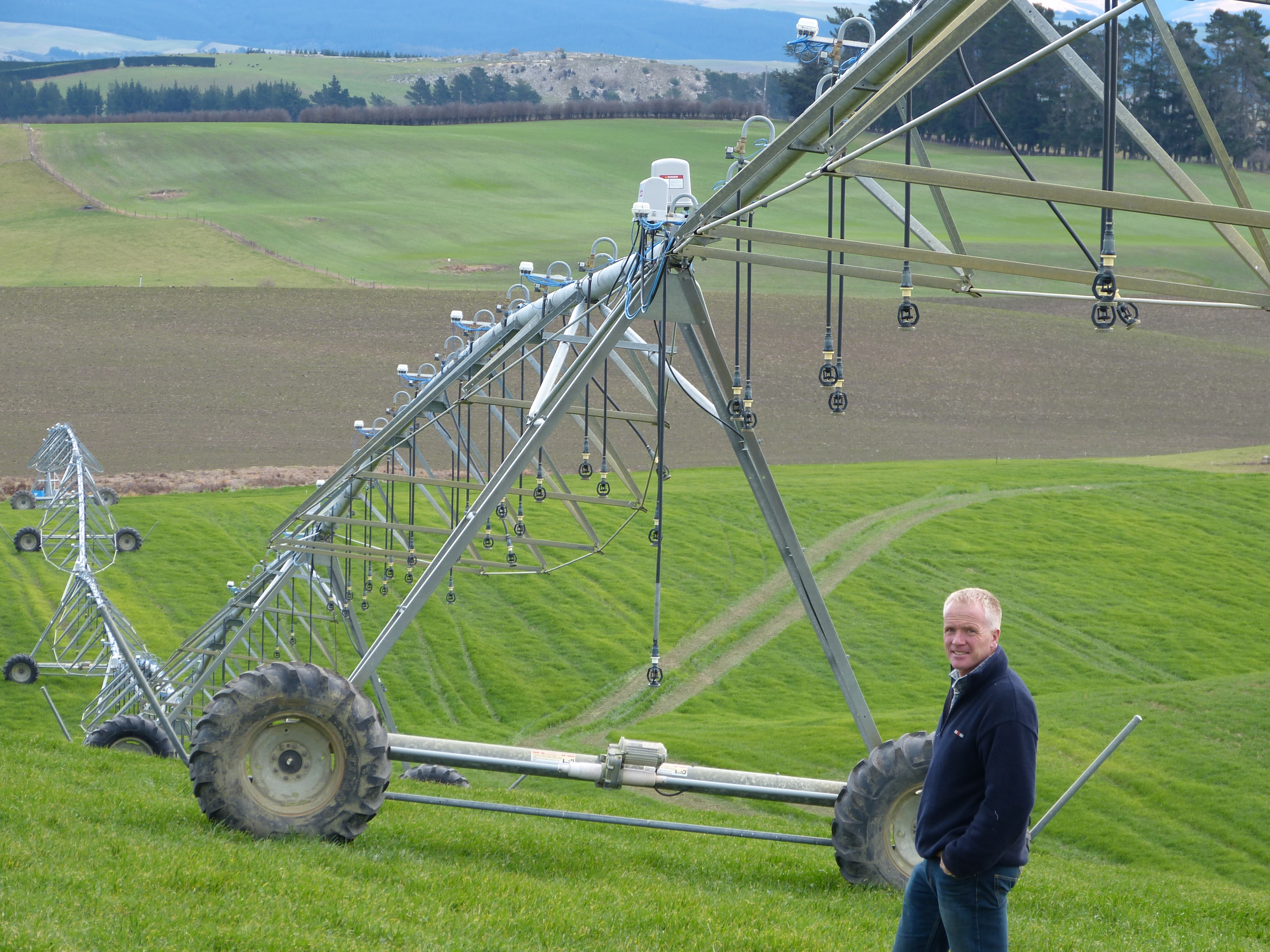
Pictured above, Peter Mitchell underneath the irrigator retro-fitted with Zimmatic Precision VRI in 2012.